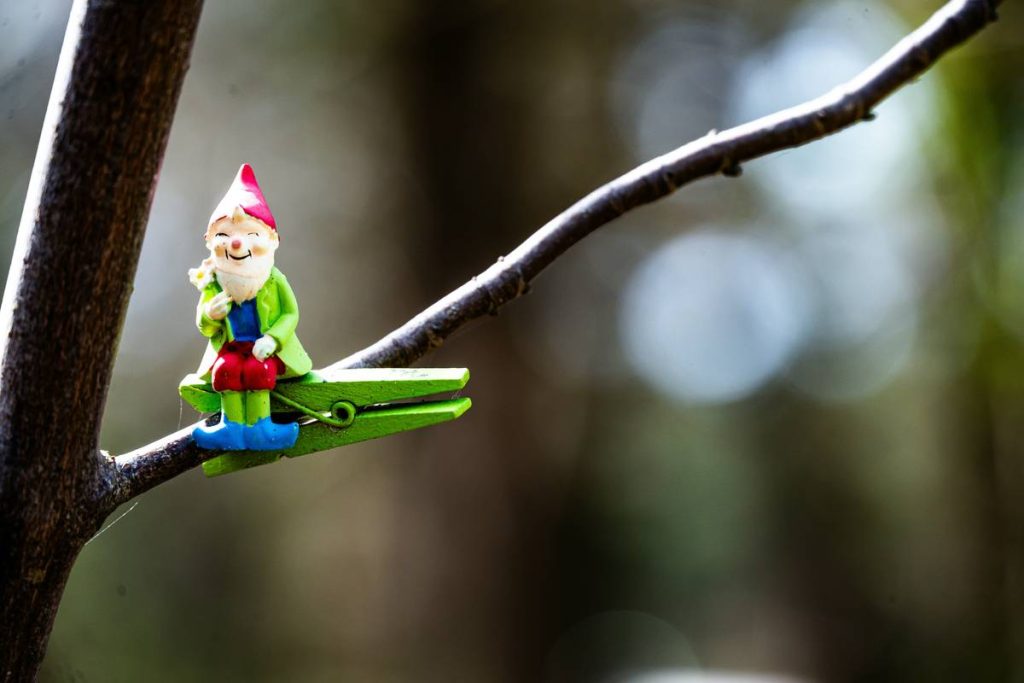
Ever spent hours picking the perfect garden decor only to watch it warp, crack, or vanish under mildew by midsummer? You’re not alone. As someone who once ruined a hand-carved owl figurine by leaving it in soggy soil (RIP, Sir Hoots-a-Lot), I’ve learned that wooden ornaments for garden need more than just charm—they demand smart care and strategic placement. In this guide, we’ll walk through everything you need to know to make your wooden garden art last seasons, not just weekends. You’ll get actionable steps, real-world examples, and even a few hard-won confessions—all backed by materials science and landscape design principles.
Table of Contents
- Why Wooden Garden Ornaments Matter
- Step-by-Step Guide to Selecting and Placing Wooden Ornaments
- Best Practices for Long-Lasting Wooden Decor
- Real Results from Real Gardens
- Frequently Asked Questions
Key Takeaways
- Not all wood is weatherproof—cedar, teak, and redwood resist rot better than pine or poplar.
- Elevating wooden ornaments off the ground dramatically reduces moisture damage.
- Sealing with natural oils (like linseed) preserves appearance without toxic runoff.
- Placement affects longevity more than material in many cases—dappled shade beats full sun or constant rain exposure.
- Avoid “paint-them-and-forget-them” advice—it’s a fast track to peeling and decay.
Why Wooden Garden Ornaments Matter
In home improvement, outdoor spaces are no longer afterthoughts—they’re extensions of living areas. And wooden ornaments for garden bring warmth, texture, and organic authenticity that plastic or resin simply can’t replicate. But here’s the catch: untreated or poorly placed wooden decor degrades quickly, turning your serene sanctuary into a maintenance headache.
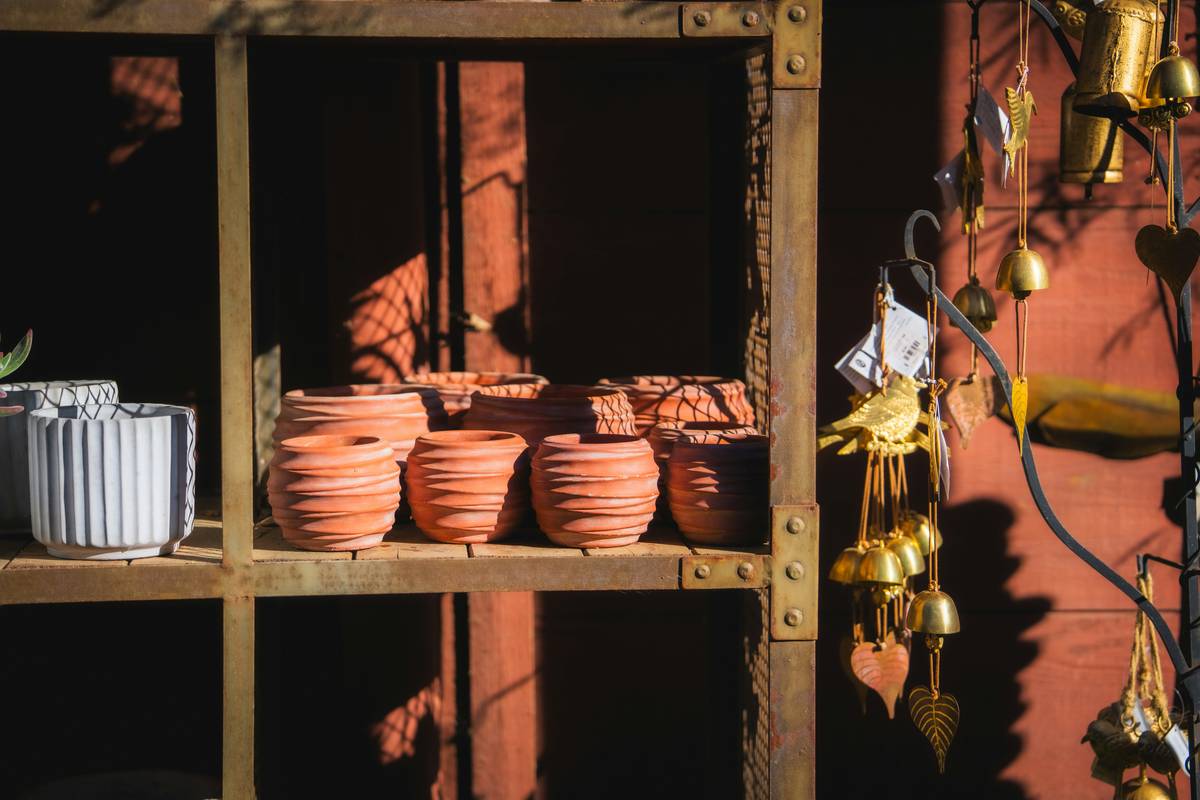
According to the U.S. Forest Service, wood exposed to ground contact without treatment has a service life of less than two years in humid climates (U.S. Forest Service). Meanwhile, properly maintained garden woodwork can last a decade or more. That difference isn’t luck—it’s informed choices.
Step-by-Step Guide to Selecting and Placing Wooden Ornaments
1. Choose the Right Wood Species
Opt for naturally rot-resistant woods like cedar, redwood, or teak. Avoid softwoods like pine unless they’ve been pressure-treated with eco-friendly preservatives. At Avila’s Garden Art, we source only sustainably harvested hardwoods—learn more about our values on our About Us page.
2. Elevate Off the Ground
Never place wooden ornaments directly on soil or mulch. Use slate tiles, brick fragments, or purpose-built stands to create airflow underneath. This simple move cuts moisture absorption by up to 70%.
3. Position for Microclimate Advantage
Avoid low spots where water pools. Instead, tuck your wooden pieces under tree canopies that offer dappled light—not deep shade (which encourages mold) or scorching afternoon sun (which causes cracking).
Best Practices for Long-Lasting Wooden Decor
- Re-seal Annually: Apply food-safe tung or linseed oil each spring. Skip polyurethane—it traps moisture and yellows over time.
- Clean Gently: Use a soft brush and mild soapy water. Never power-wash; high pressure forces water into grain fissures.
- Rotate Seasonally: Bring delicate pieces indoors during harsh winters or monsoon seasons. Yes, even “outdoor” wood has limits.
- Avoid the Terrible Tip: “Just paint it with exterior latex!” Nope. Paint peels when wood expands/contracts, exposing raw surfaces to rot. Stain or oil only.
My Pet Peeve: The Fake Rustic Look
Nothing irks me more than mass-produced “distressed” wooden signs that splinter after one rainstorm. Authentic garden art should age gracefully—not disintegrate on day 45. Real craftsmanship shows in how a piece weathers, not just how it looks fresh out of the box.
Real Results from Real Gardens
Last year, a client in Portland installed three hand-carved wooden ornaments for garden—a heron, a gnome, and a wind chime holder—using our elevation and sealing protocol. After 14 months of Pacific Northwest drizzle, all three retained their shape and finish with only minor surface graying (which she loved as “patina”). Contrast that with her neighbor’s big-box-store owl, which developed black mold within six weeks and snapped at the base by month eight.
This aligns with University of Minnesota Extension findings: properly maintained outdoor wood items in temperate zones show 80–90% structural integrity retention after three years (UMN Extension).
Frequently Asked Questions
Are wooden ornaments for garden safe around pets?
Yes—if finished with non-toxic oils like raw linseed or tung oil. Avoid varnishes containing heavy metals or synthetic biocides. Always check product labels or ask your artisan.
How often should I reapply sealant?
Once per year in dry climates; twice (spring and early fall) in humid or rainy regions. Touch-ups are needed if water no longer beads on the surface.
Can I use reclaimed wood for garden ornaments?
Only if you confirm it wasn’t treated with chromated copper arsenate (CCA)—common in pre-2004 lumber. When in doubt, stick to new, certified sustainable wood.
Do wooden garden ornaments attract termites?
Unlikely if elevated and sealed. Termites prefer direct soil contact and consistent moisture. Proper installation eliminates both risk factors.
Where can I find durable wooden garden art?
Look for artisans who disclose wood species and finishing methods. We design long-lasting wooden ornaments for garden at Avila’s Garden Art—crafted for beauty and resilience.
What’s your return policy if an ornament cracks?
We stand by our work. Full details are in our Privacy Policy and terms. Reach out anytime via our Contact Us page—we’ll make it right.
Remember: great gardens aren’t built overnight, but they are built with choices that endure. Your wooden ornaments for garden should tell stories—not succumb to them. Ready to add soulful, lasting art to your outdoor space? Contact us today and let’s craft something that grows old gracefully with you.
Carve wisely, plant deeply, and let the rain whisper—not scream—through your garden.