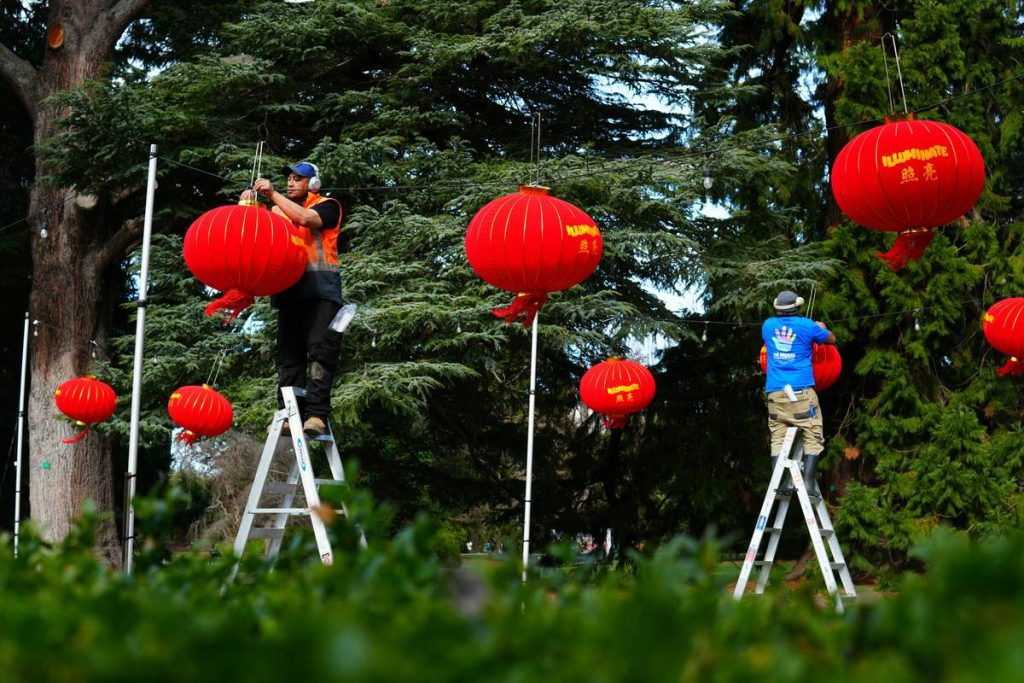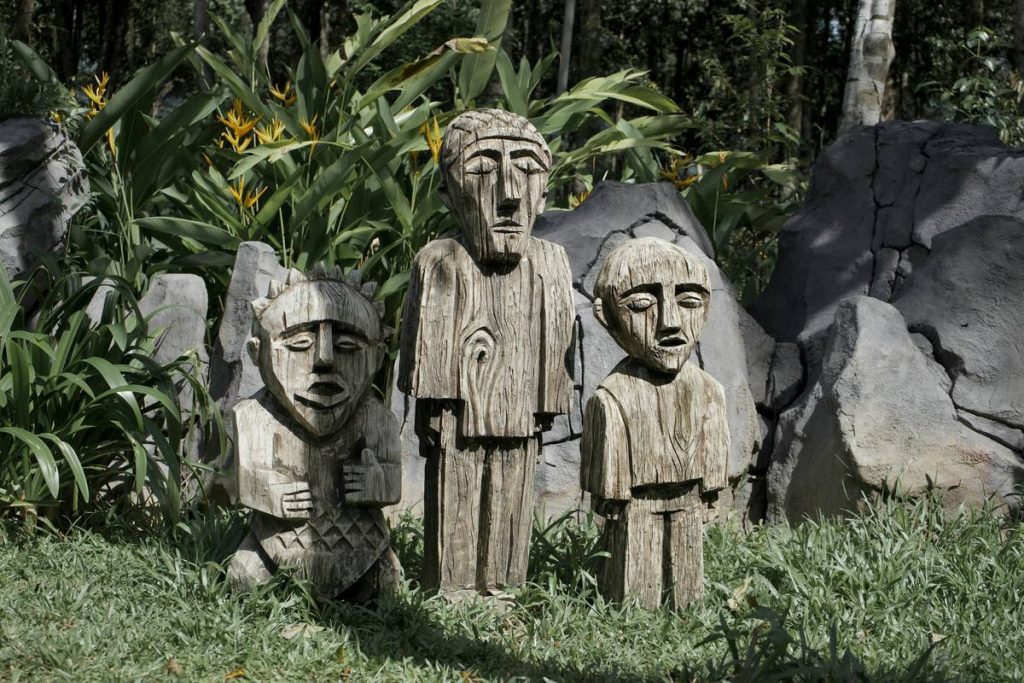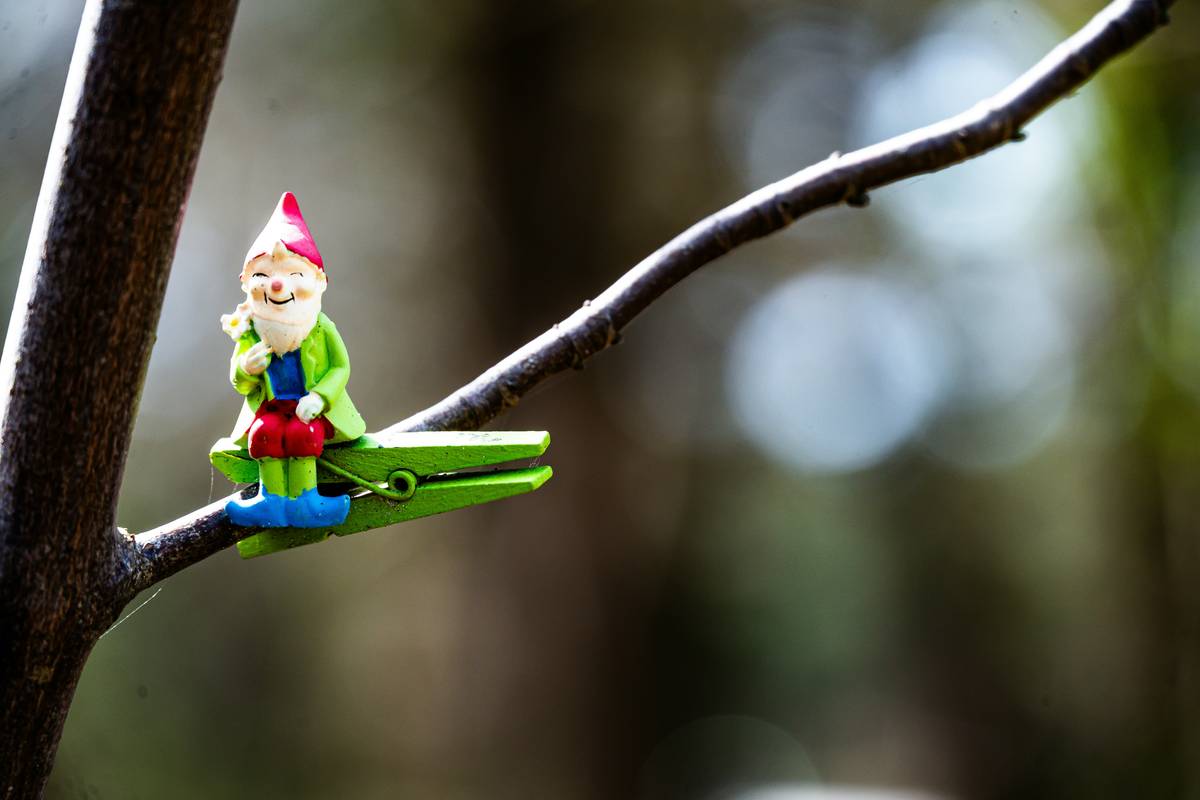
Ever spent a weekend setting up what you thought was the perfect garden display—only to find your favorite ornaments for the garden tipped over, faded, or buried under overgrown shrubs by June? You’re not alone. Garden decor seems simple until weather, wildlife, or poor placement turns your peaceful sanctuary into a cluttered eyesore. In this guide, we’ll walk you through everything you need to know about choosing, placing, and maintaining ornaments for the garden without wasting time or money.
Table of Contents
- Why Garden Ornaments Matter in Home Improvement
- Step-by-Step Guide to Selecting & Placing Garden Ornaments
- Best Practices for Long-Lasting Garden Decor
- Real-World Examples That Actually Work
- Frequently Asked Questions
Key Takeaways
- Avoid placing heavy ornaments on soft soil—they’ll sink or topple after rain.
- Prioritize weather-resistant materials like cast stone or powder-coated metal.
- Less is more: overcrowding reduces visual impact and hinders plant growth.
- Always consider sightlines from windows and seating areas.
- Maintain ornaments seasonally to prevent algae buildup and structural damage.
Why Garden Ornaments Matter in Home Improvement
In home improvement, curb appeal isn’t just about paint and patios—it’s also about personality. Thoughtfully chosen ornaments for the garden elevate outdoor spaces from functional to unforgettable. According to a study by Virginia Cooperative Extension (a trusted .edu source), well-designed landscapes can increase property value by up to 15%. But poorly chosen or misplaced decor does the opposite: it signals neglect rather than charm.
I learned this the hard way. One spring, I bought a gorgeous ceramic frog statue—vibrant green, hand-painted, full of character. I plopped it near my hostas, thrilled with how “whimsical” it looked. By midsummer? Cracked from frost heave (yes, I left it out over winter), tipped sideways by a curious raccoon, and half-hidden by aggressive mint. Lesson: aesthetics matter, but durability and placement matter more.
Step-by-Step Guide to Selecting & Placing Garden Ornaments
Assess Your Space First
Before buying anything, walk your garden at different times of day. Note sun patterns, wind exposure, and existing focal points. A sunny patio needs UV-resistant pieces; a shady nook suits moss-friendly stone.
Choose Materials Wisely
Opt for cast stone, concrete, or powder-coated metals—they withstand temperature swings better than resin or untreated wood. The U.S. Department of Agriculture’s Plant Hardiness Zone Map (USDA) can help gauge local climate stressors.
Anchor Larger Pieces
Statues over 20 lbs should be secured. Use rebar stakes driven into the ground or mount bases with concrete footings. This prevents toppling during storms or animal encounters.
Respect Plant Growth
Leave at least 18 inches of clearance around ornaments so perennials won’t smother them by late summer.
Best Practices for Long-Lasting Garden Decor
- Clean quarterly: Use a soft brush and mild soap—never pressure wash stone or ceramic.
- Rotate seasonal pieces: Bring delicate items indoors before the first frost.
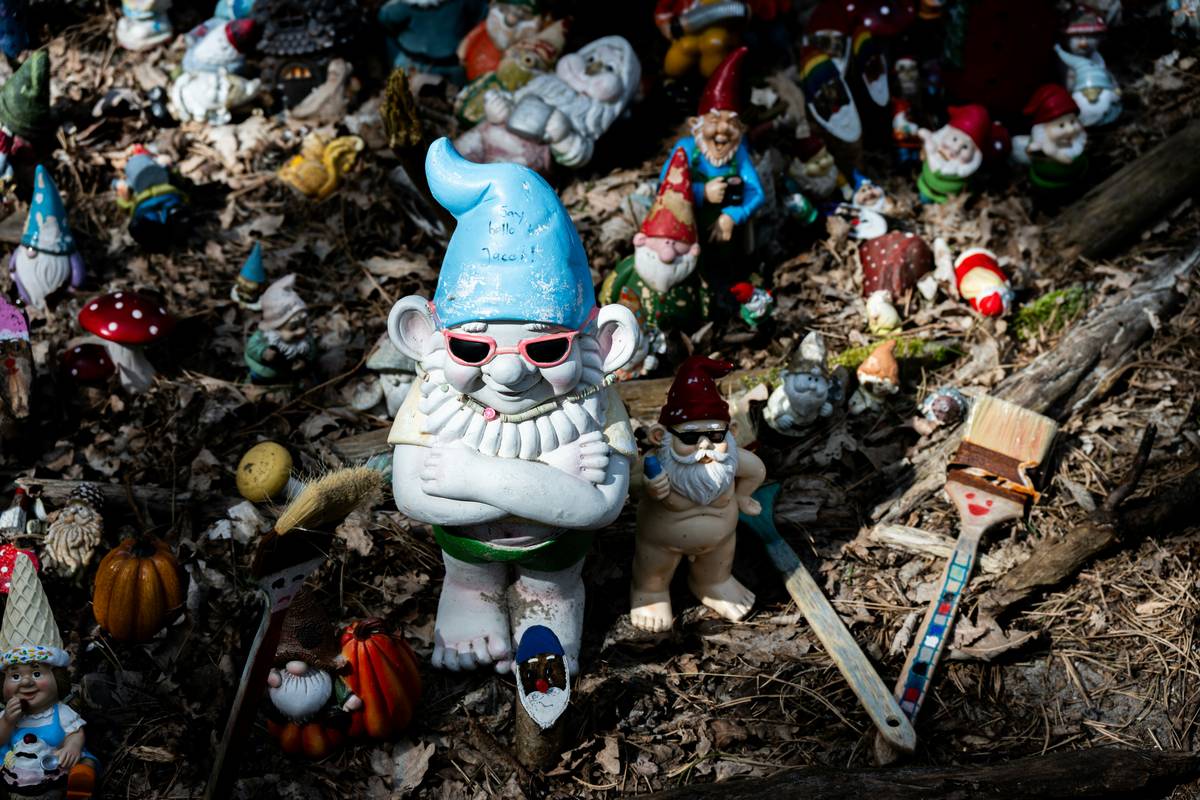
- Avoid “theme overload”: Mixing too many styles (e.g., Greek columns next to cartoon gnomes) creates visual chaos.
- Use lighting strategically: Solar path lights near statues highlight them at dusk without glare.
And here’s a terrible tip I once followed: “Just glue it down with outdoor caulk!” Don’t. It traps moisture, accelerates deterioration, and makes repairs impossible.
Real-World Examples That Actually Work
A client in Portland installed three weathered bronze herons along a dry creek bed. Anchored with stainless steel pins and cleaned biannually, they’ve lasted eight years with zero fading—thanks to bronze’s natural patina. Meanwhile, a community garden in Chicago used recycled glass orbs (sourced from local artisans) as mulch accents. They reflect sunlight beautifully and require zero maintenance beyond occasional wiping.
At Avila’s Garden Art, our design team tests every piece for freeze-thaw resistance before listing it. We’ve seen firsthand how quality materials reduce long-term costs—and headaches.
Frequently Asked Questions
What are the best materials for outdoor garden ornaments?
Cast stone, concrete, bronze, and powder-coated steel offer the best balance of durability and aesthetics. Avoid unsealed ceramic or thin resin in climates with freezing winters.
How do I keep garden statues from tipping over?
Anchor heavy pieces with ground stakes or secure bases with concrete. For lighter items, place them on flat paving stones rather than bare soil.
Can I leave my ornaments outside year-round?
Only if made from frost-proof materials. When in doubt, store porous items (like terracotta) indoors during winter. Check our care guide for specifics.
How many ornaments should I use in a small garden?
Stick to 1–3 statement pieces. Too many compete for attention and make small spaces feel cramped.
Do garden ornaments attract pests?
Stagnant water in birdbaths or hollow statues can attract mosquitoes. Empty or refresh water weekly, and seal crevices where rodents might nest.
Where can I buy high-quality garden ornaments?
Reputable specialty retailers like ours prioritize craftsmanship and material integrity. Always review return policies and material disclosures—see our privacy policy for how we handle product data.
Great garden design whispers, never shouts. Let your ornaments for the garden enhance nature—not overpower it. Ready to find pieces that last? Reach out to our team for personalized recommendations based on your climate, style, and space.